











KM-banner1.jpg
KM-banner9.jpg
KM-banner10.jpg
KM-banner11.jpg
KM-banner12.jpg
KM-banner13.jpg
KM-banner14.jpg
KM-banner15.jpg
KM-banner16.jpg
KM-banner25.jpg
KM-banner24.jpg
KM-banner23.jpg
KM-banner22.jpg
KM-banner21.jpg
KM-banner20.jpg
KM-banner2.jpg
KM-banner19.jpg
KM-banner18.jpg
KM-banner17.jpg
KM-banner26.jpg
KM-banner27.jpg
KM-banner28.jpg
KM-banner29.jpg
KM-banner3.jpg
KM-banner30.jpg
KM-banner31.jpg
KM-banner4.jpg
KM-banner5.jpg
KM-banner6.jpg
KM-banner8.jpg
KM-banner7.jpg
Shadow
Training  Nuns as Animal First-aiders

Training Nuns as Animal First-aiders

Kagyu Monlam Animal Medical Camp
Bodh Gaya,
29 January, 2019

Buddha Shakyamuni had compassion for all sentient beings equally, not more for one being over another, all were equal in his compassion. All sentient beings have a lot of suffering and sickness, so to help relieve the sickness brings great merit and is wonderful.
The purpose of the Kagyu Monlam is to alleviate the suffering of all beings. This is also the wish of His Holiness the Karmapa. So if we are able to alleviate the suffering of dogs, cats, cows and other animals through this animal camp, it is in accordance with the wishes of both His Holiness and the Kagyu Monlam in general.

Gyaltsab Rinpoche’s words of advice to staff at the Animal Medical Camp

Twelve nuns from the six Kagyu Nunneries who are attending the Arya Kshema, will follow a special programme this year to train in animal first aid. Over ten days they will learn about rabies control, treating skin wounds, giving injections, and dog handling. The aim of the programme is that when they return to their nunneries, they will become the animal first aid officers not just for their nunnery but also for their local area. On completion of their training, they will be given a big first- aid box full of medicines, bandaging materials and equipment they need for this important job. This initiative is especially according to the wishes of the Karmapa, who wanted the nuns to have equal opportunity with the monks in this training.

The training is being led by three vets, Dr Diki Palmo from Sikkim, Dr Catherine Schuetze from Australia and Dr Sonia Thakur from Dharamsala Animal Rescue.
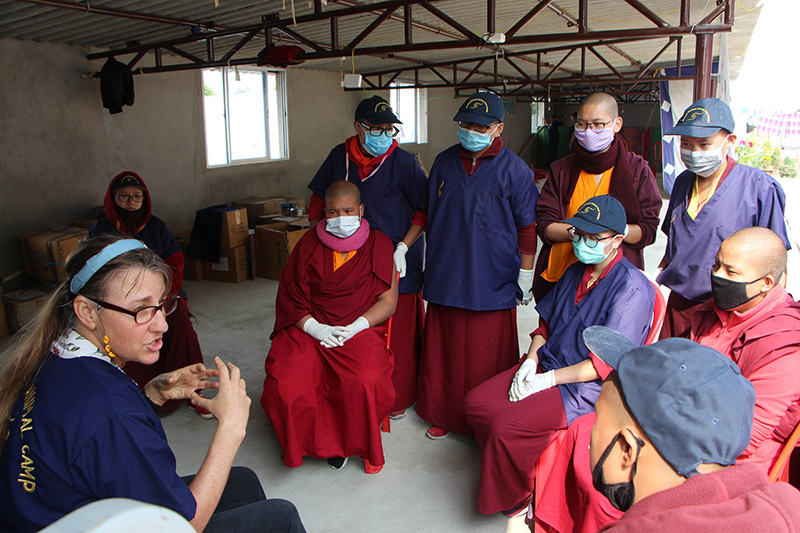
1. Australian vet, Dr Catherine Schuetze, discusses how to treat common problems that the nuns will encounter with the dogs and cats in their nunneries, such as eye infections, parasitic infestations, wounds, and maggot-infected wounds. The nuns learn how to clean and dress wounds and how to treat infections and infestations.


2. The nuns have to learn how to handle dogs so they must know how to interpret canine behaviour and how to recognise when dogs are dangerous. Dr Diki Palmo gives them a crash-course in canine body language.
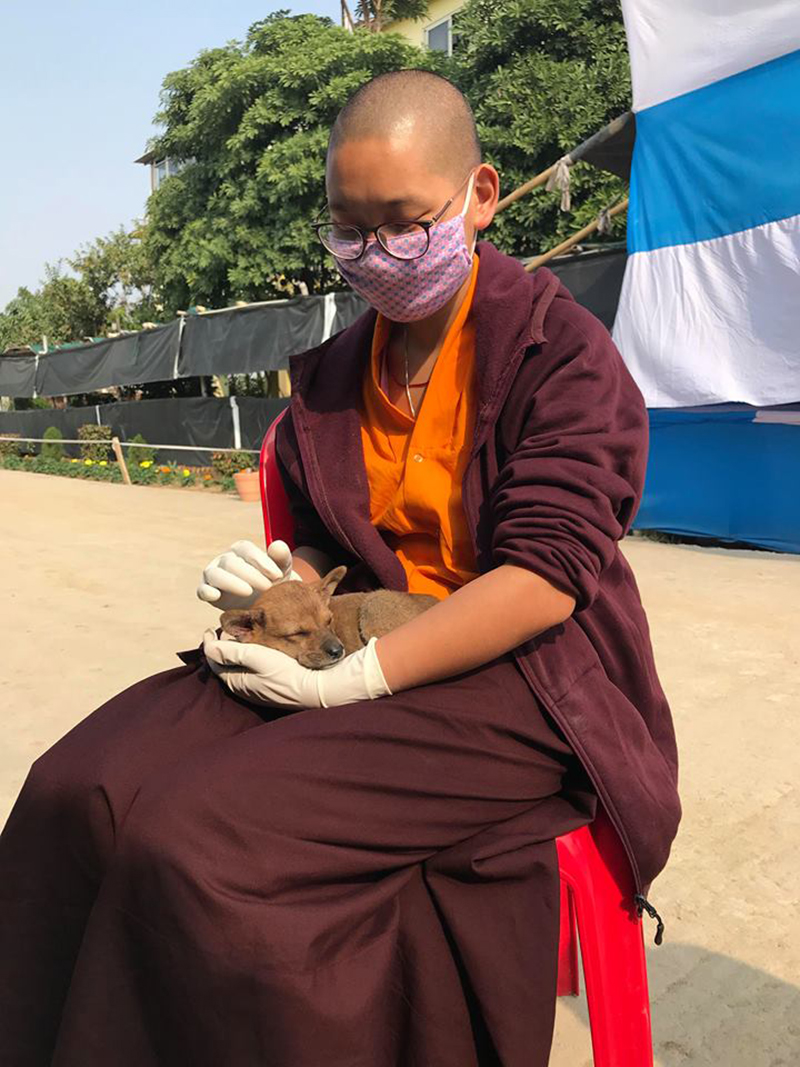
 

3. All the nuns come from areas of the Indian sub-continent where rabies is endemic and are naturally wary of dogs, so the training starts with puppies in the morning.
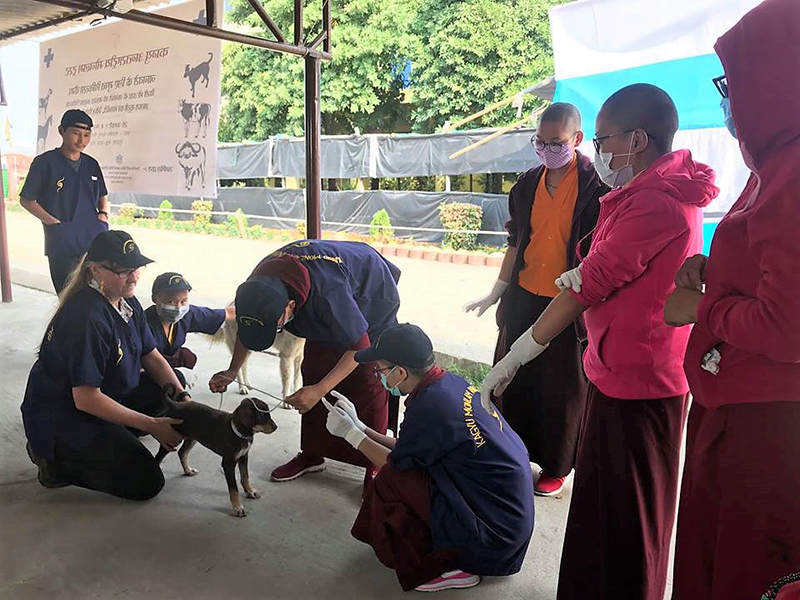
 

4. The nuns learn how to approach the dogs and get a slip lead around their neck…
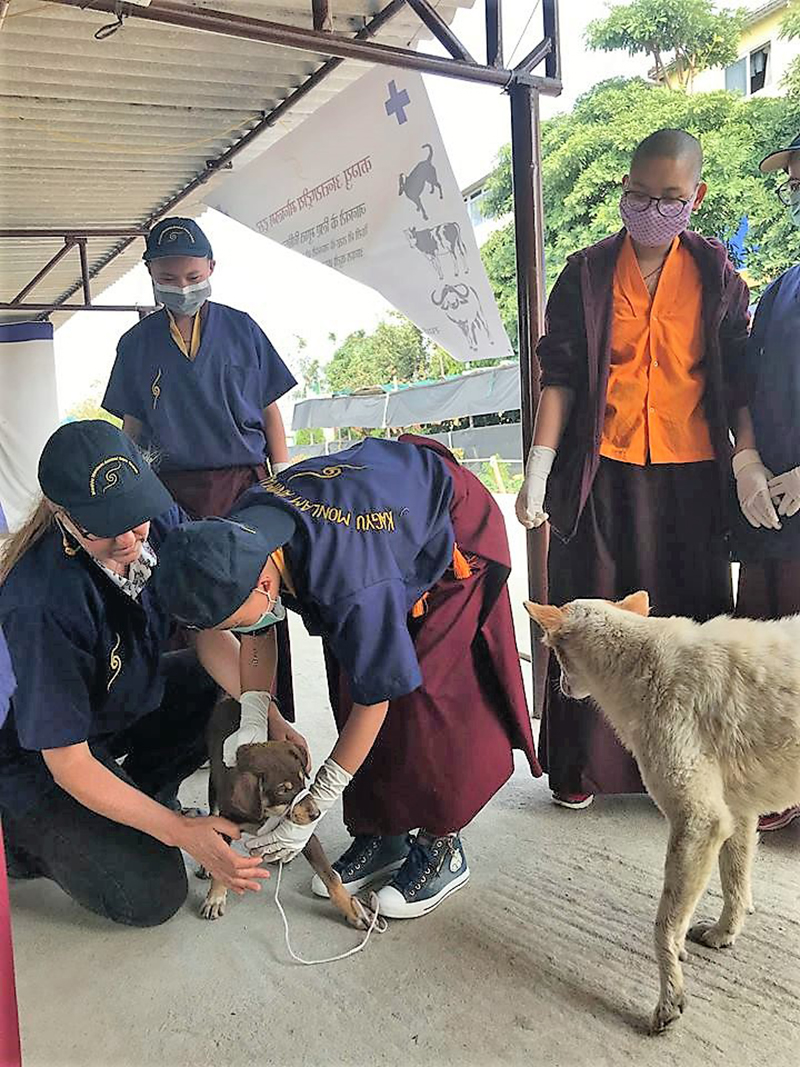
 

5. muzzle them with rope..
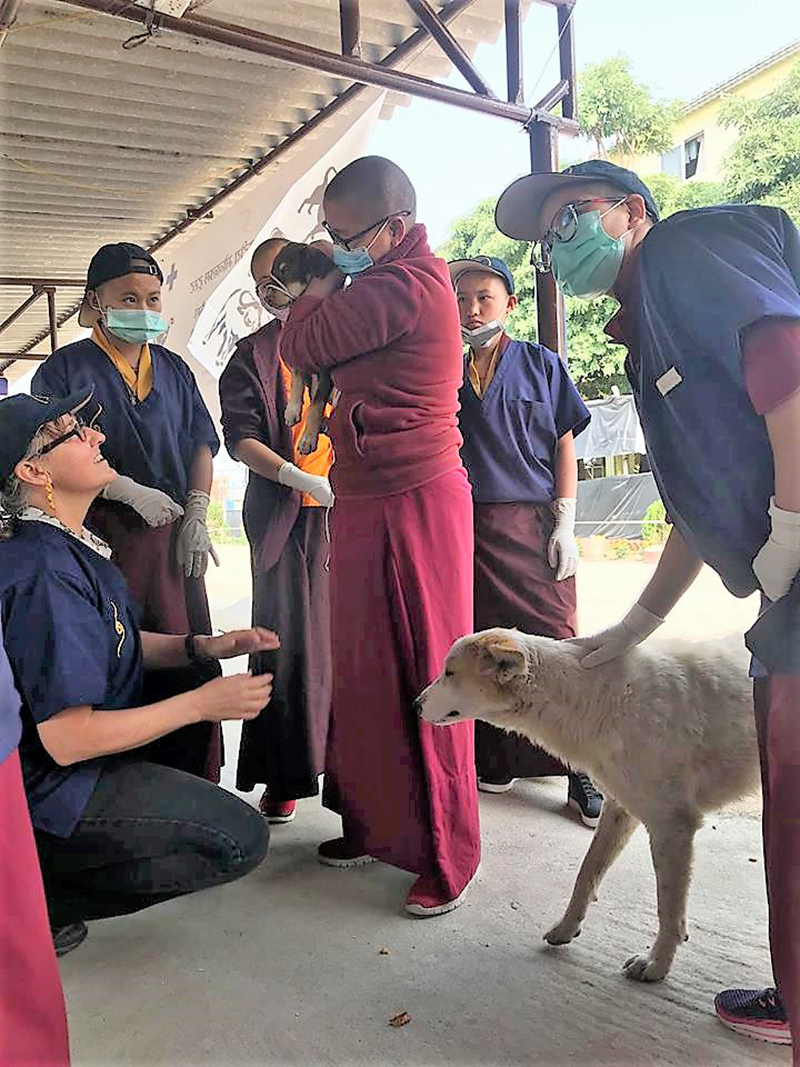
 

6. and pick them up.
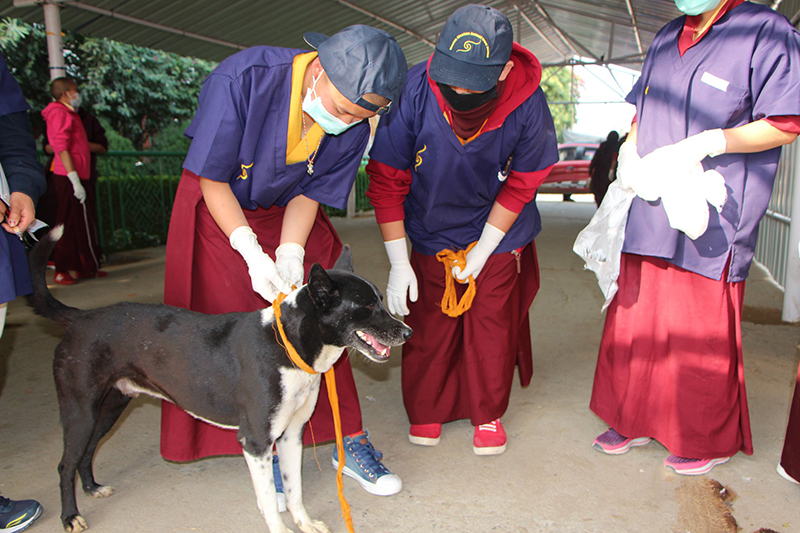
 

7. As their confidence grows, they progress to practising their skills on friendly monastery dogs.
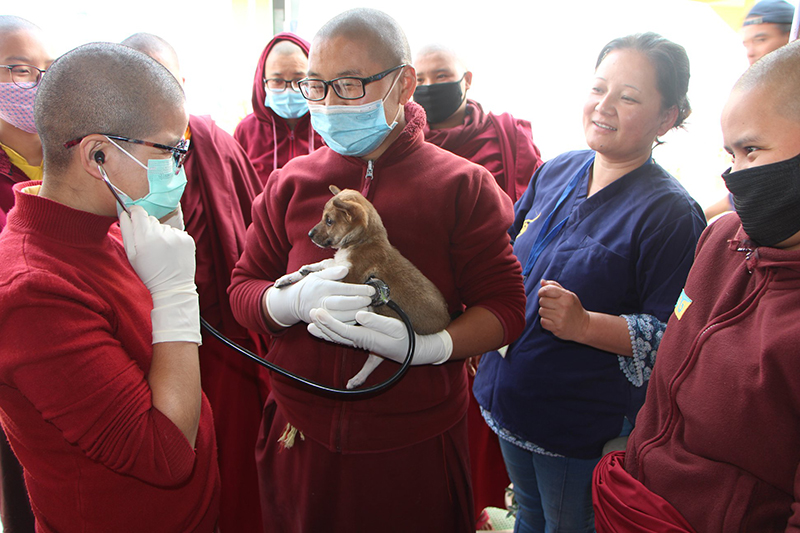
 

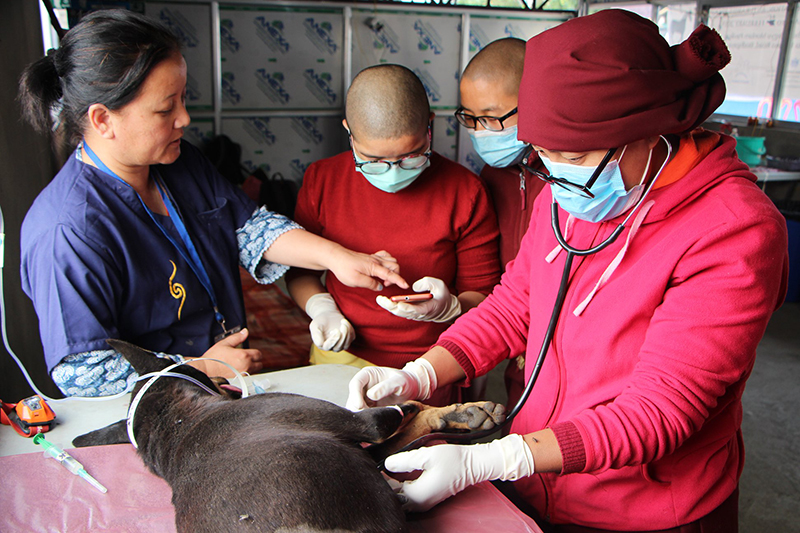
8. Dr Palmo teaches the nuns how to use a stethoscope.
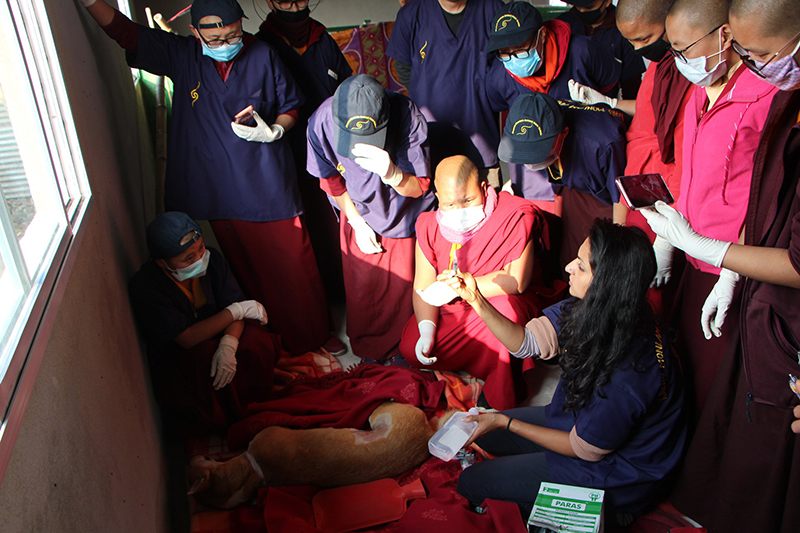
 

9. Dr Thakur demonstrates how to give subcutaneous injections; all the nuns soon became confident in giving injections such as rabies vaccinations. 
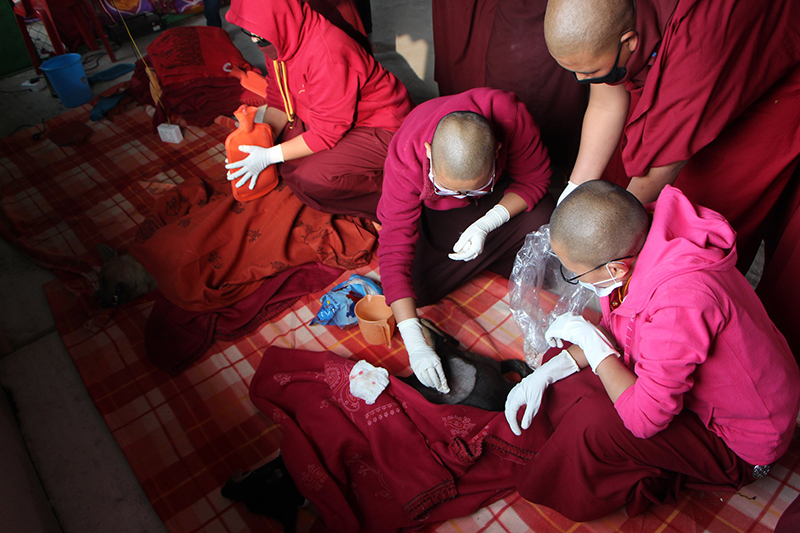
 

10. They also learn general nursing skills for sick animals and post-operative care.
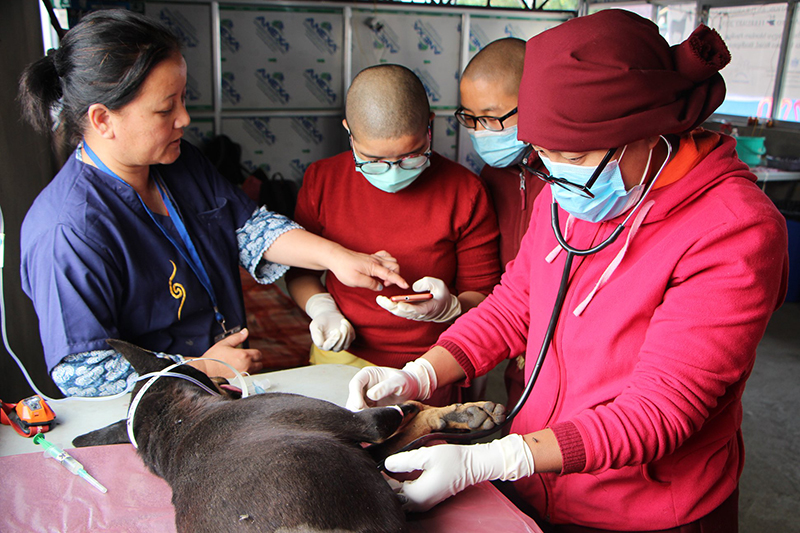
 

11. A nun checks the heartbeat of a dog which has been anaesthetised. As part of the initial training, the nuns watched an operation in progress. Only one nun fainted at the sight, but she recovered quickly and has resumed her training.
 

Special Features of the 36th Kagyu Monlam

Special Features of the 36th Kagyu Monlam

Monlam Pavillion, Bodhgaya
22 January, 2019

The 36th Kagyu Monlam has concluded successfully and most of the participants are making their way back to their monasteries or homes, except for the nuns who will now begin their annual Winter Dharma Meeting, the Arya Kshema.

Looking back over the last two weeks, here are some of the points of note this year.


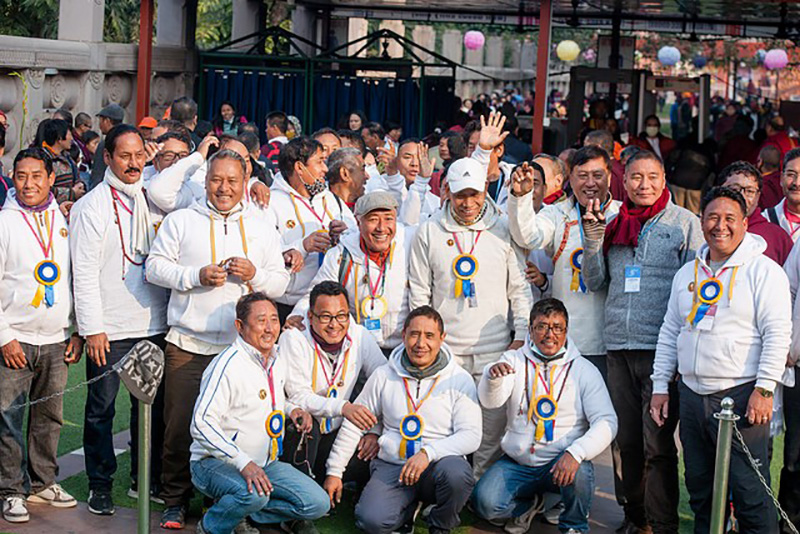
1. One significant feature this year was the number of laypeople who attended from the Himalayan regions: more than 3200.


2. There were more than 4000 monastics - monks


3. and nuns.


4. In addition there were Rinpoches and Tulkus.


5. 1300 participants came from abroad.


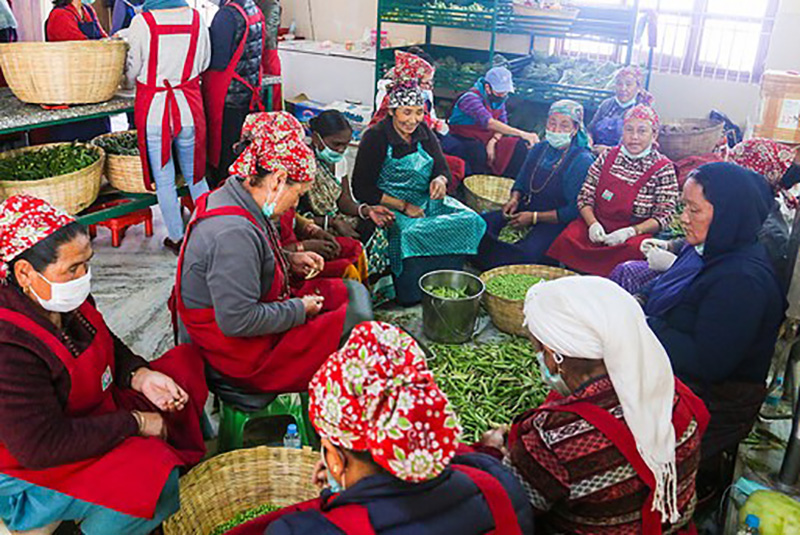
6. Of particular importance was the contribution of the people of Nyeshang: not only did their community sponsor the Monlam, but those who were able to attend participated fully as volunteers:


7. … women served tea and lunch


8. … prepared vegetables in the kitchen


9. …and washed the bowls.


10. The men served as dharmapalas.


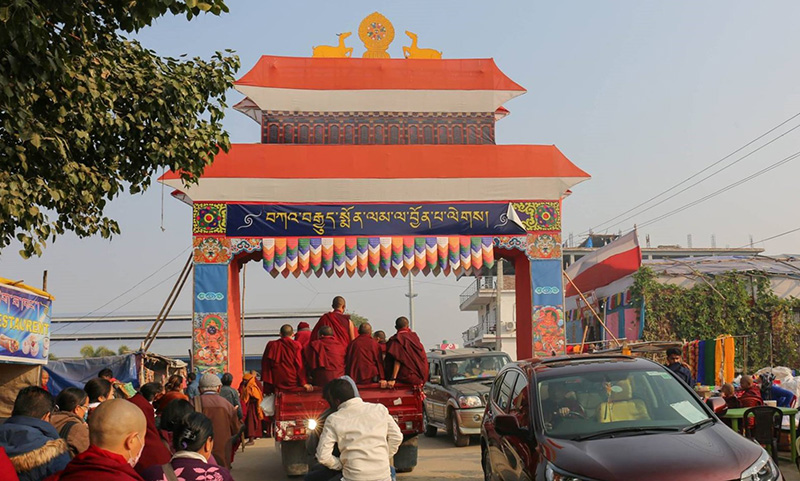
11. Generally, the keyword this year seemed to be simplicity.
The Welcome Gate was a traditional Tibetan design.


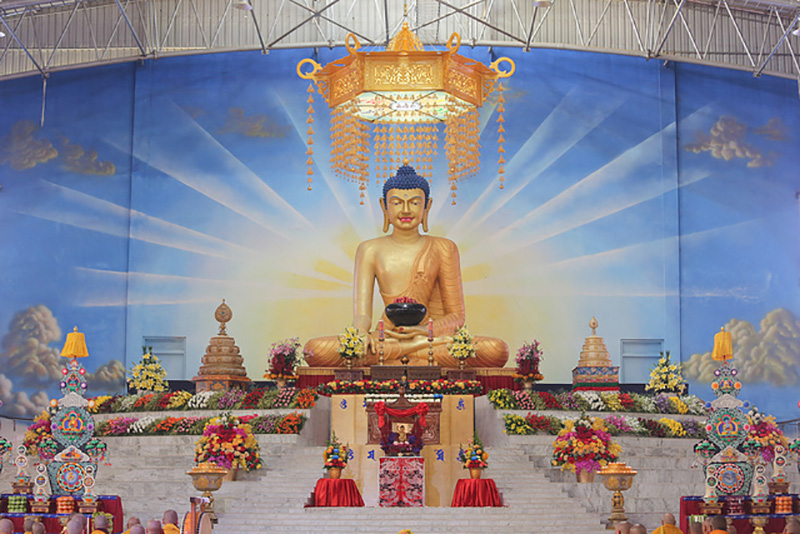
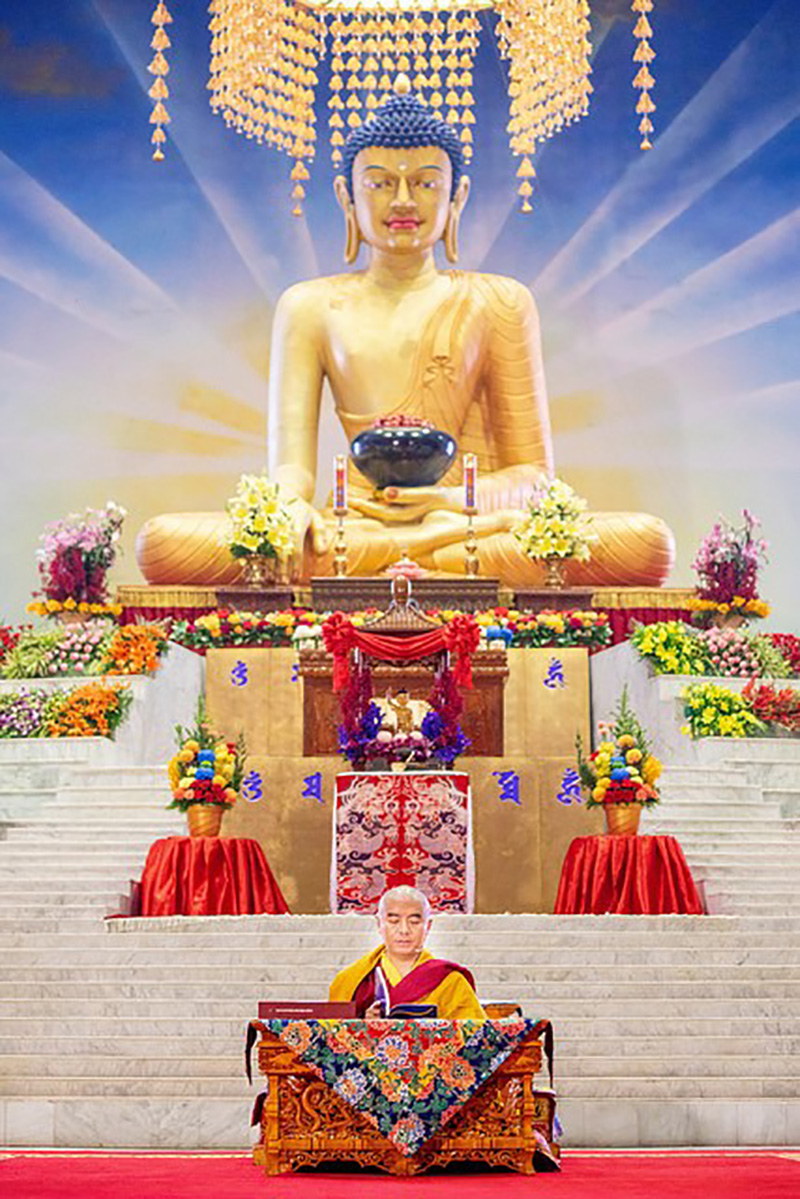
12. The stage decoration was also less ornate, with flower arrangements bringing colour and beauty . There was a sense of spaciousness…


13. and an emphasis on symmetry.


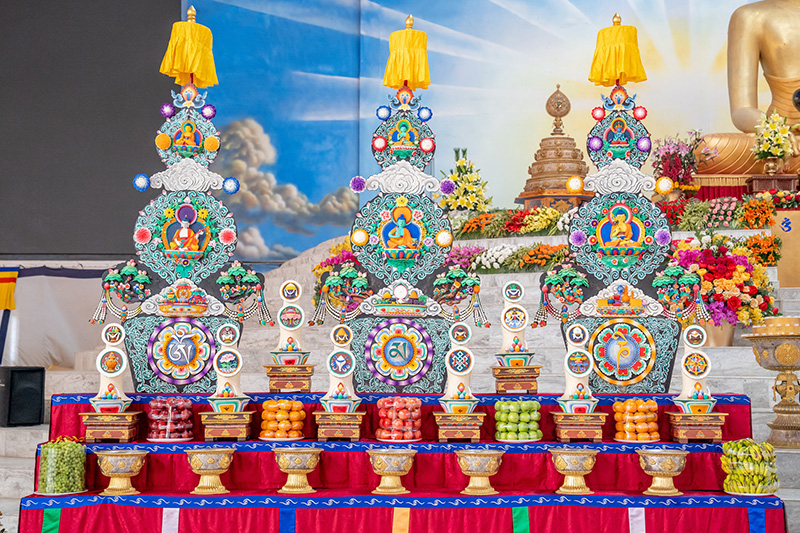
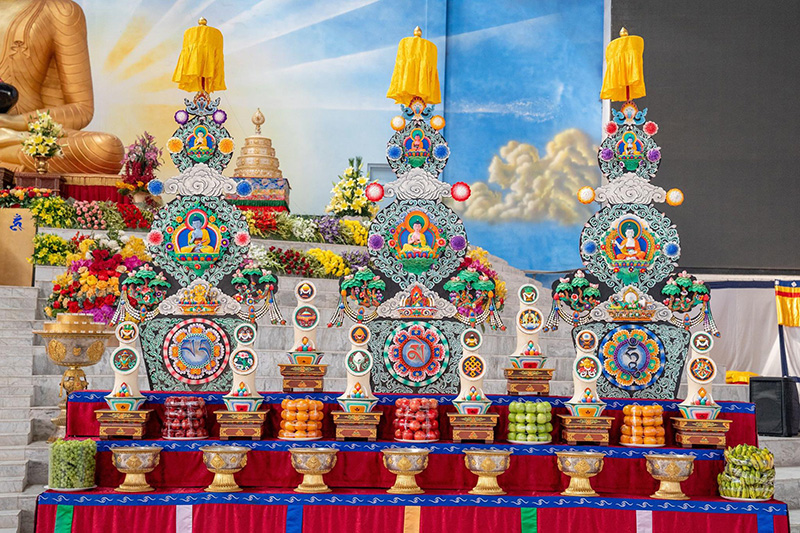
14. The great, seven-foot high tormas used to be on the top tier, but this year, under instructions from the Gyalwang Karmapa, the great tormas were moved down onto the stage itself.


15. Instead of the usual eight tormas, there were only six this yearbecause the theme was The Six Buddha Families.


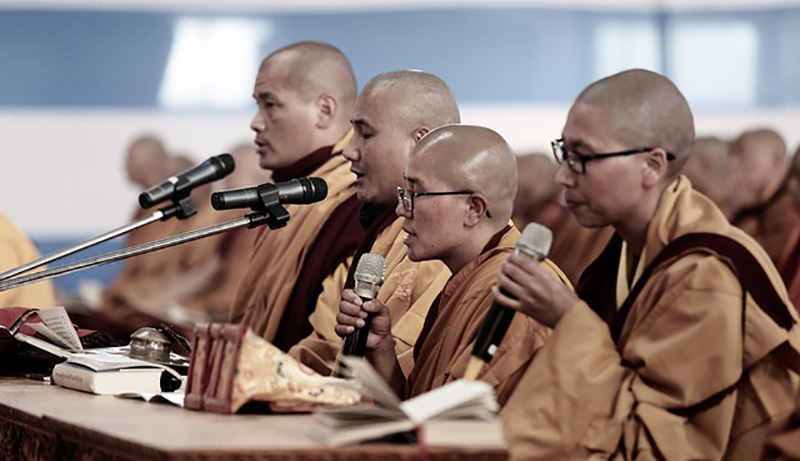
16. The nuns continued to be co-equal chant leaders with the monks.


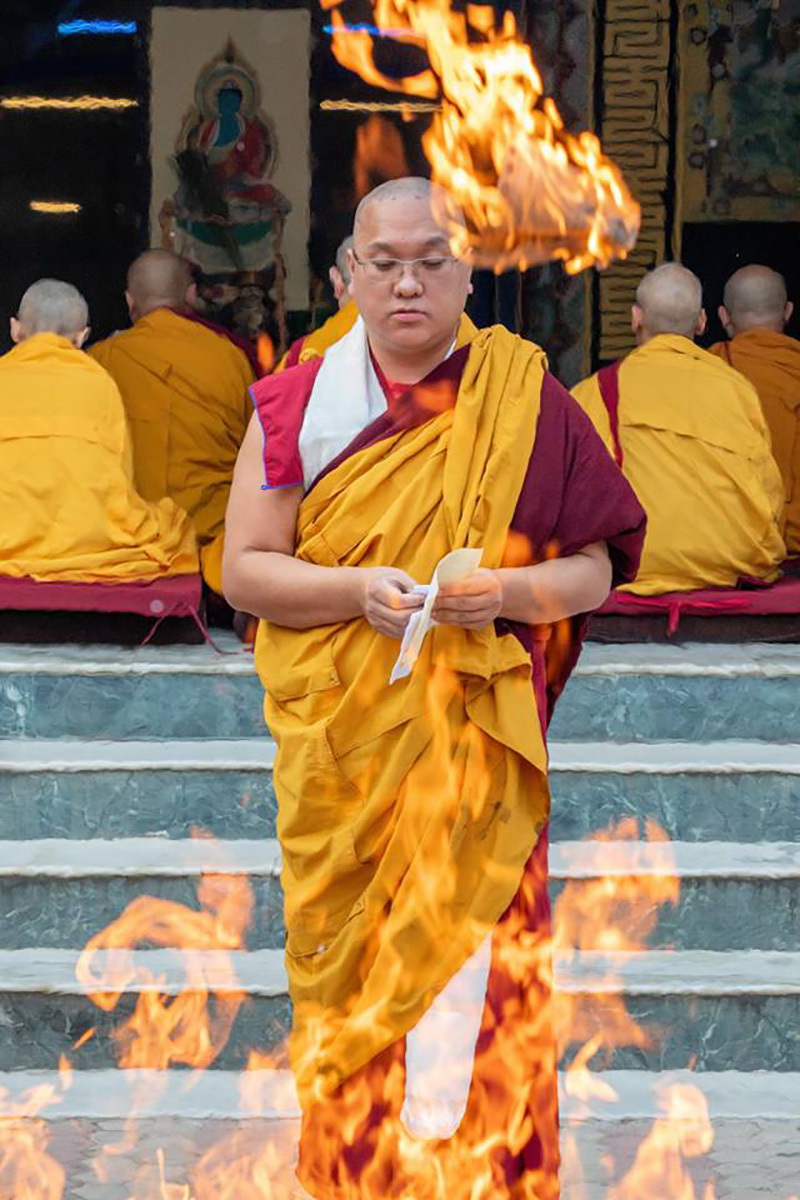
17. The timing of the Akhshobhya Fire Puja was changed to early afternoon rather than evening.


18. A special Mahakala Puja was added to the programme to remove obstacles and support the Gyalwang Karmapa’s swift return to India.


Marme Monlam

Marme Monlam

Monlam Pavillion
January 21, 2019

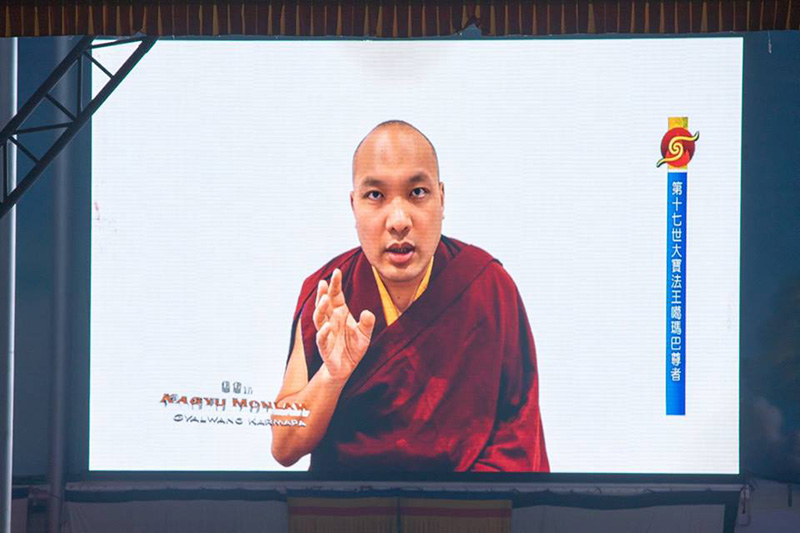
This year’s Marme Monlam beautifully concluded the joyously successful 36th Kagyu Monlam with a special address and loving advice from His Holiness Gyalwang Karmapa. His address was followed by four outstanding and powerful performances as well as the uplifting Lamp Prayer and offering of lights.


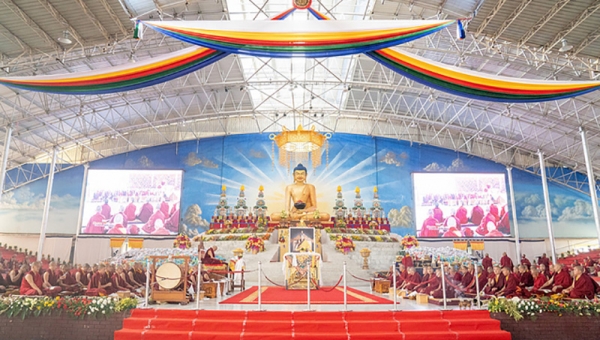
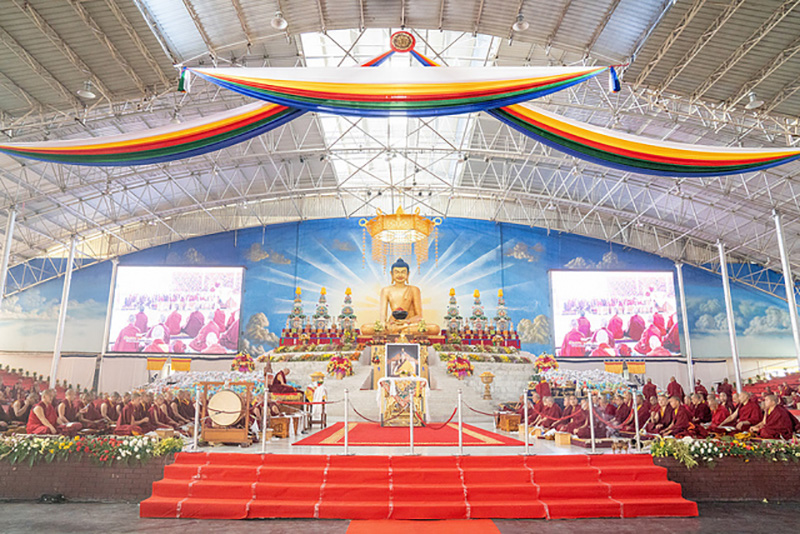
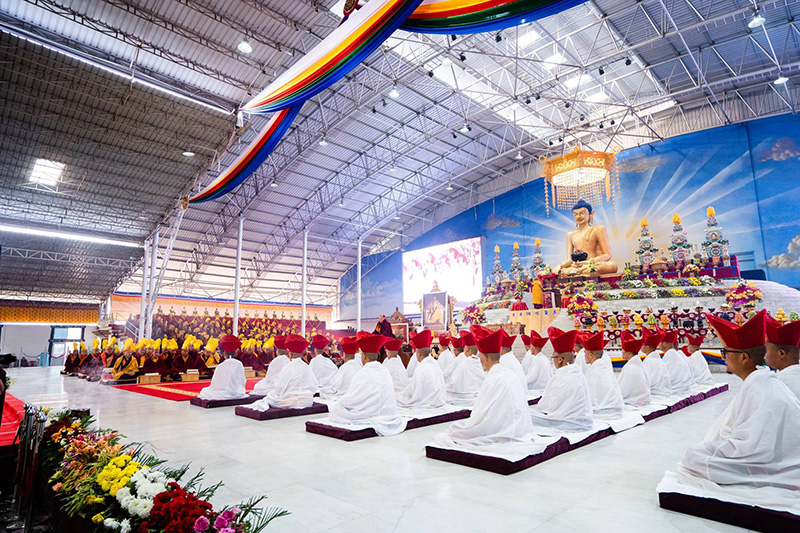
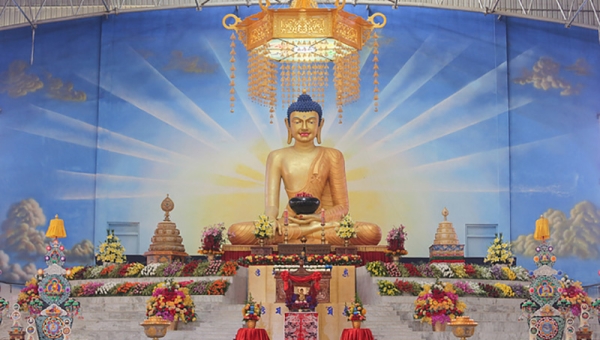
1. On the evening of the full moon, participants reflect on the the golden Buddha image in anticipation of the special address and heart-advice of His Holiness Gyalwang Karmapa.


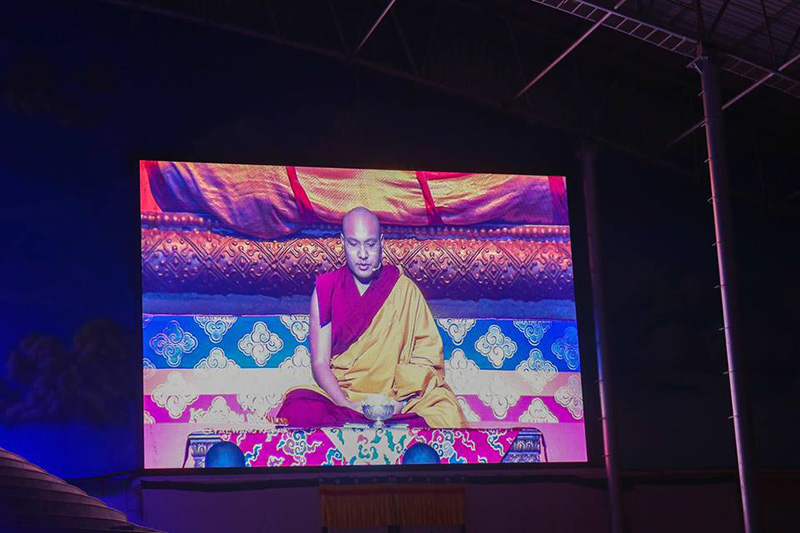
2. His Holiness Gyalwang Karmapa offers a special address generously welcoming everyone and offering his gratitude for the efforts of Goshir Gyaltsap Rinpoche and Kyajbe Yongey Mingyur Rinpoche, the other tulkus, khenpos, acharyas, spiritual friends, all the monks and nuns from the various monasteries, and all the faithful lay people from all over the world.


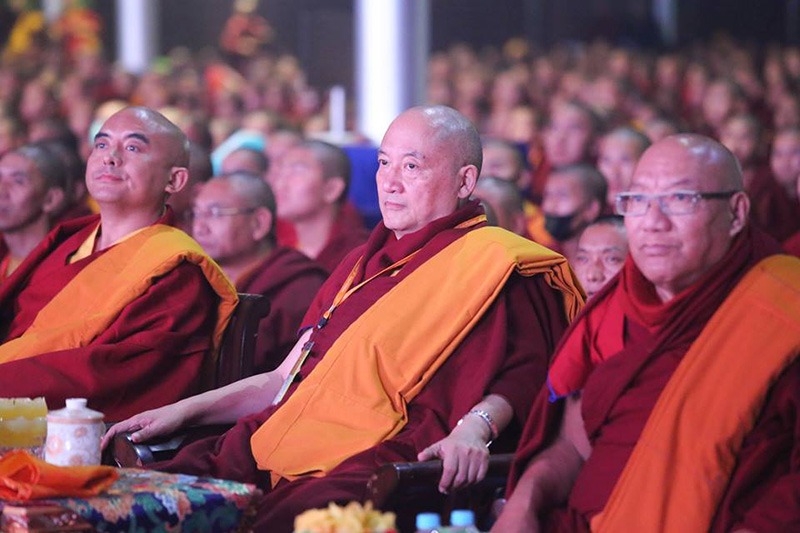
3. From chairs in front of the pavillion, following their kind efforts and teachings, Goshir Gyaltsap Rinpoche and Kyajbe Yongey Mingyur Rinpoche listen to sincere speech of His Holiness Gyalwang Karmapa.


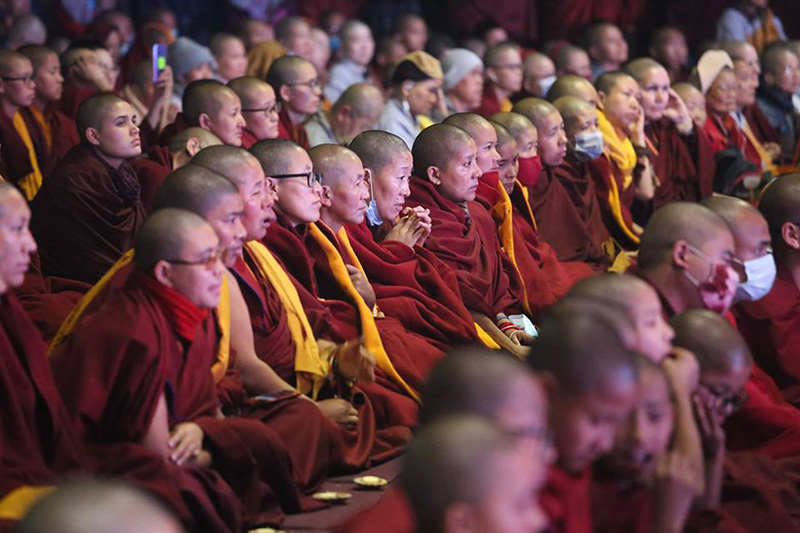
4. The nuns take in His Holiness Gyalwang Karmapa’s advice.


5. And so do the gelongs from the stage.


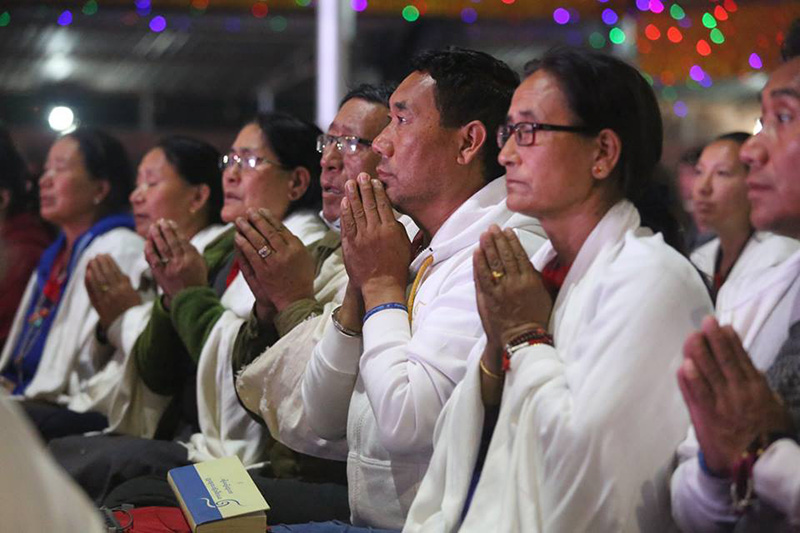
6. Faithful lay community also listen on with devotion.


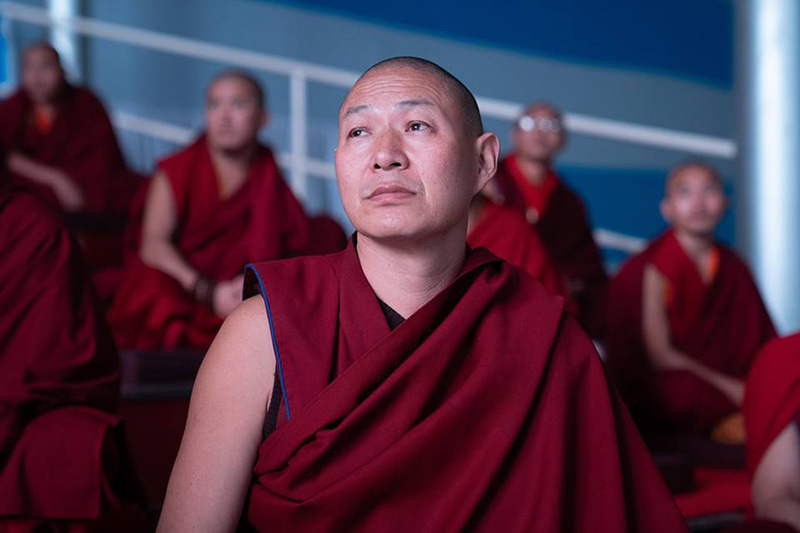
7. A monk gives his full attention to His Holiness Gyalwang Karmapa’s special address.


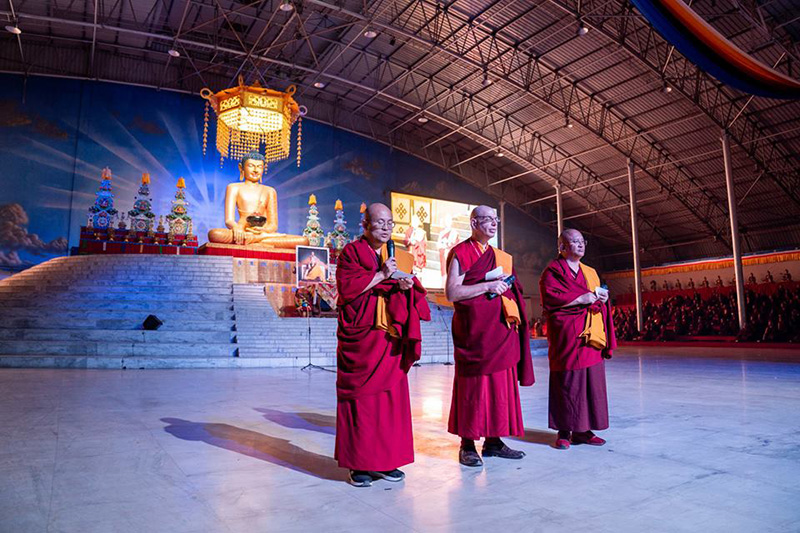
8. The Marme Monlam events are narrated by the MC’s in Tibetan, English, and Chinese.


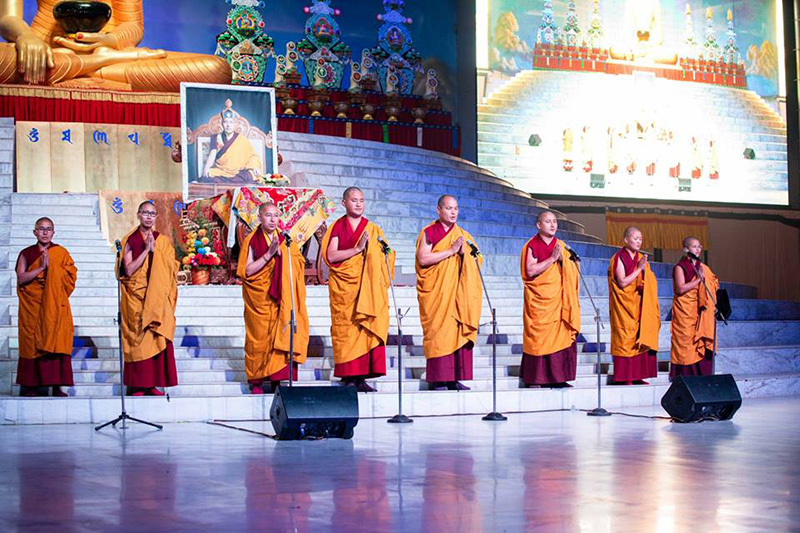
9. The world-renowned nuns of Drupde Palmo Chokyi Dingkhang Nunnery in Bhutan sing A Melody of the Three Jewels. 


10. The eight umze-s (chant leaders) of the Monlam chant The Meditation on the Great Compassionate One: Benefitting Beings Throughout Space.


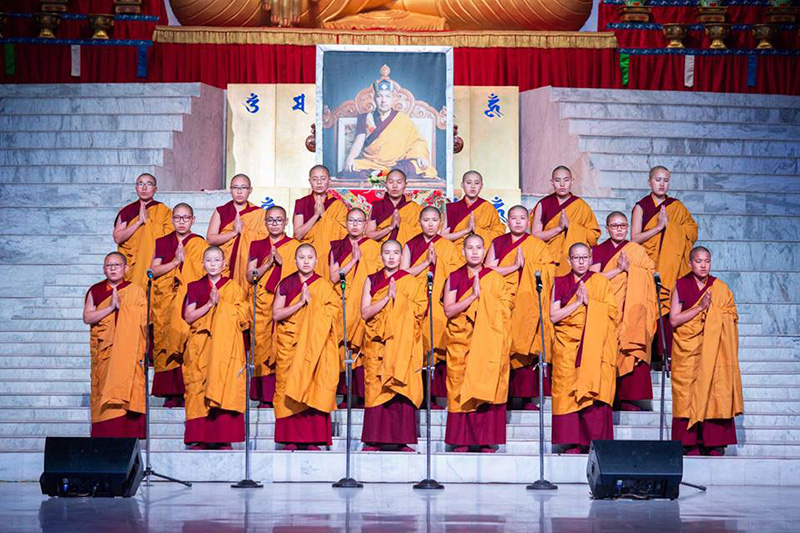
11. The nuns from the Drupde Palmo Chokyi Dingkhang Nunnery returned, together with the monks of the Vajra Vidya Institute of Thrangu Monastery, for a rendition of A Joyful Aspiration, a poem composed by the Karmapa.


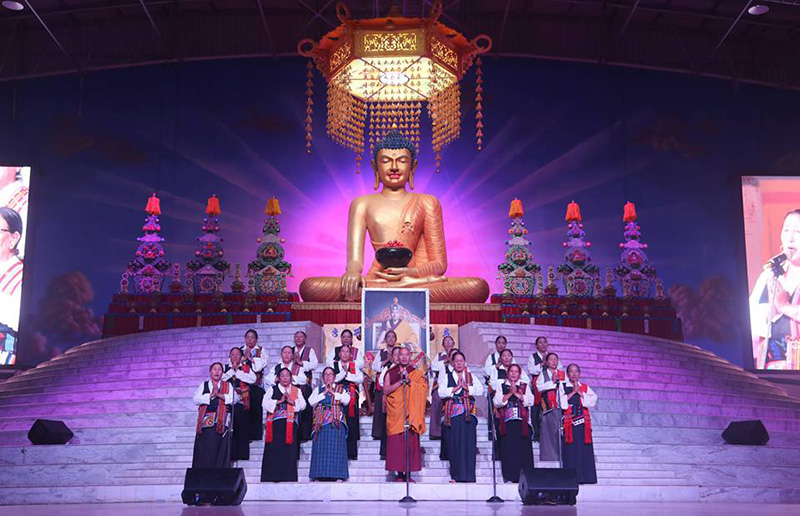
12. A group of the Nyeshang Sponsors perform a Song of Milarepa.


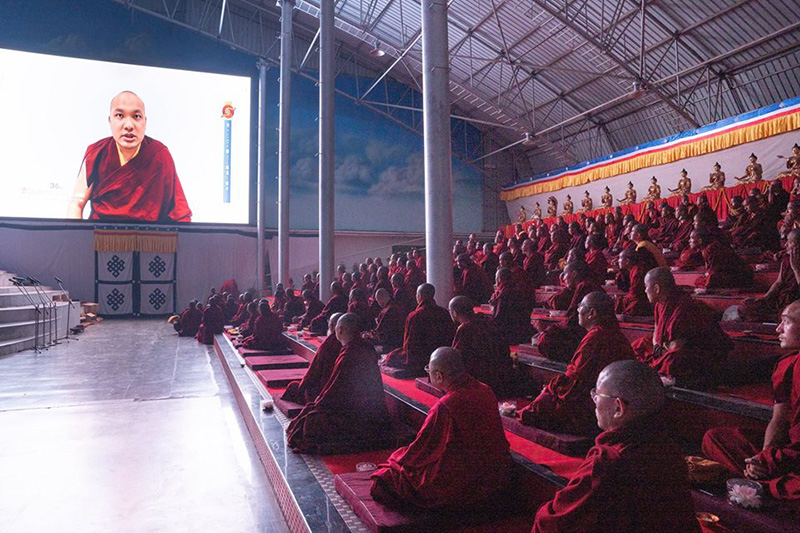
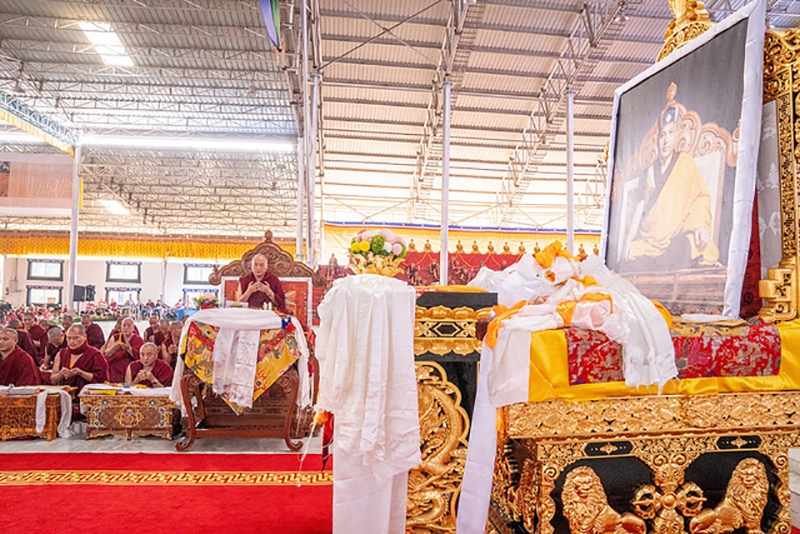
13. Although physically absent, His Holiness leads the Lamp Offering.
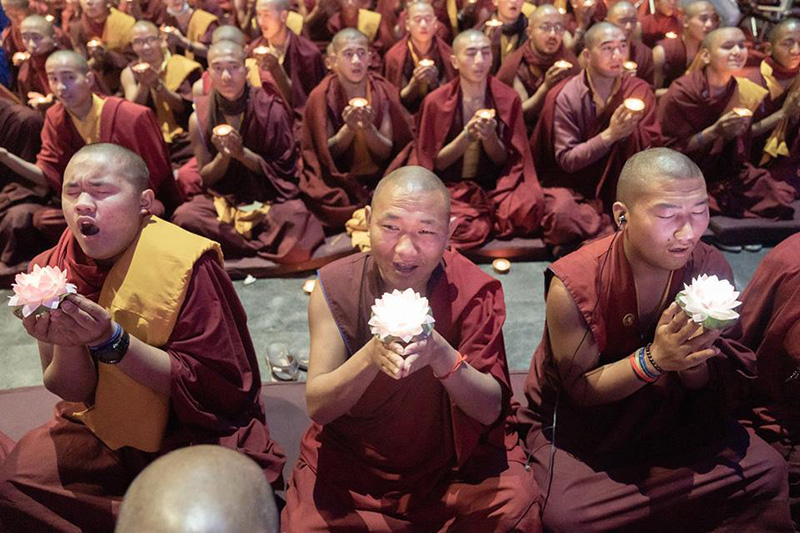
 

14. Goshir Gyaltsap Rinpoche makes his light offering.
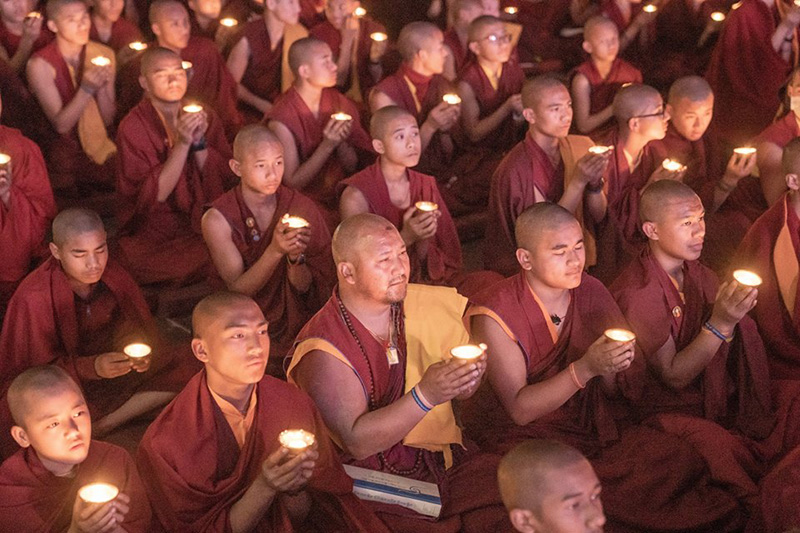
 

15. As does Kyajbe Yongey Mingyur Rinpoche.


16. A group of joyous monks whole-heartedly join in chanting the Lamp Offering Prayer.


17. And the bliss of the moment spreads throughout the pavillion.


18. A nun makes her offering.
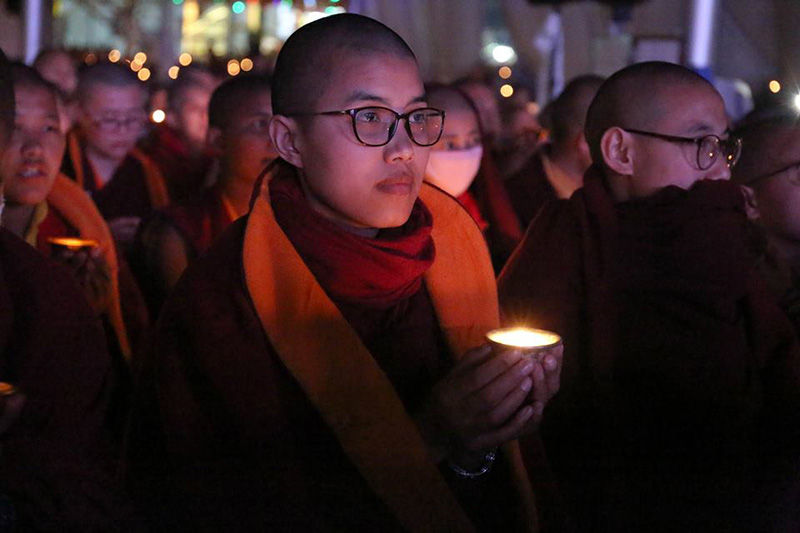
 

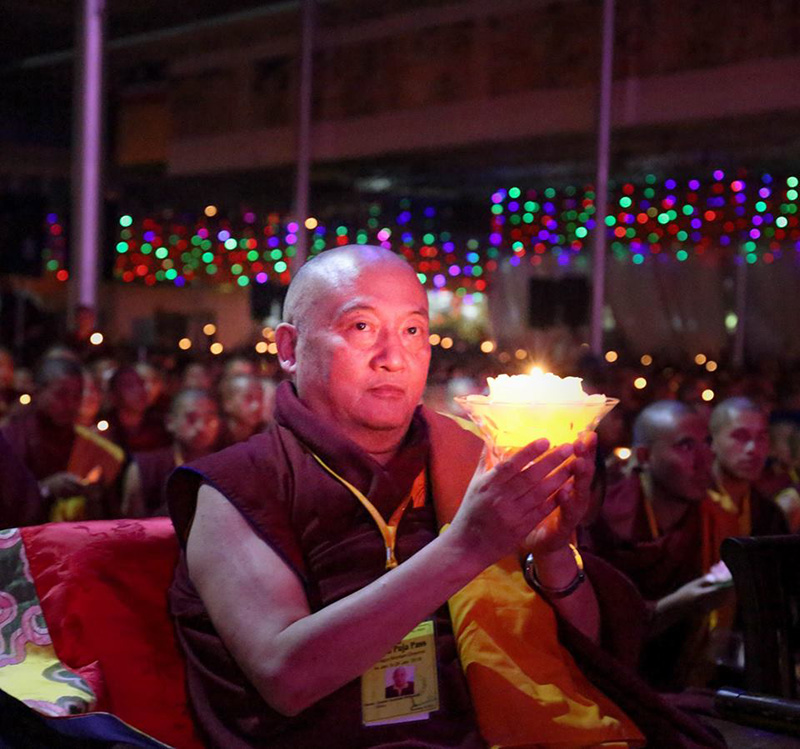
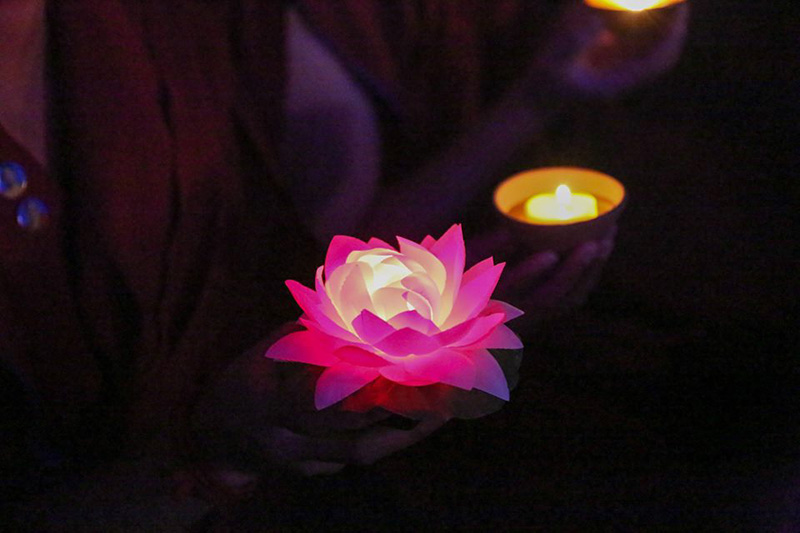
19. The sea of offering lights shimmer and sway to the sound of the offering prayer.
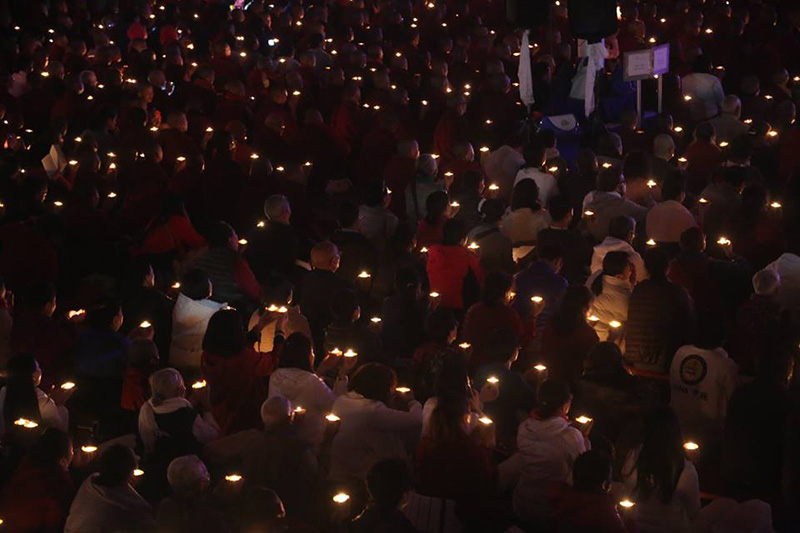
 

20. And all the participants make the wish that the light of the lamp “dispel all the darkness of ignorance.”


Special Mahakala Puja

Special Mahakala Puja

Monlam Pavillion, Bodhgaya
21 January, 2019

Traditionally, the day of the Marme Monlam is a holiday for everyone, a short rest after seven days of intense practice from 6.00am in the morning until 5.00pm during the Monlam. This year, however, it was decided to hold a special Mahakala Puja, for the removal of all obstacles and the swift return of His Holiness the 17th Gyalwang Karmapa, Ogyen Trinley Dorje, to India.

As many of the monks will be leaving for their monasteries the day after Marme Monlam, Monday 21 January was considered the only possible time.

Those who were unable to join in the puja were requested to spend the time reciting three specific prayers: The Verses of the Eight auspicious Ones; The Seven Line Prayer to Guru Rinpoche; and the Long Life Prayer for His Holiness the 17th Karmapa.

Thousands of people were present to offer the puja and the prayers.

.


The Cotton-Clad Procession

The Cotton-Clad Procession

Tergar Monastery and Monlam Pavillion, Bodhgaya
20 January, 2019

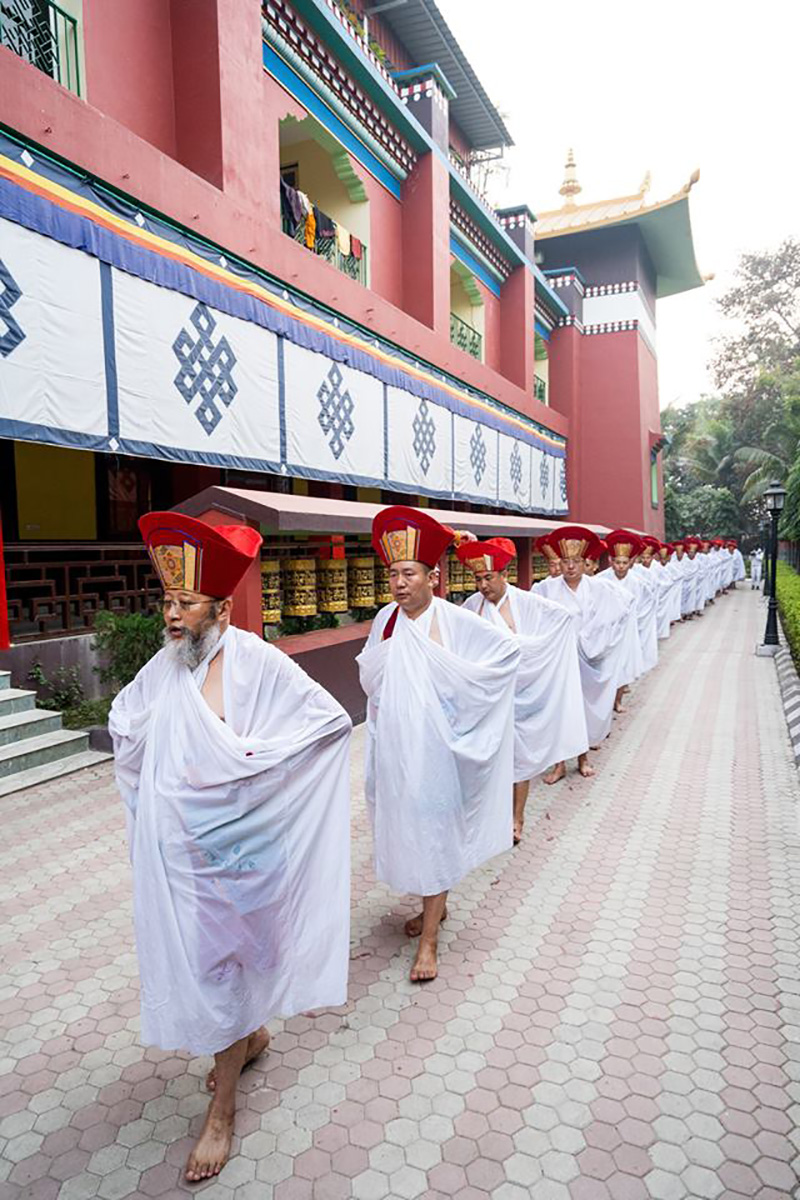
Comprised only of monks who have completed the traditional three-year retreat in the Kagyu tradition, this ceremony is a test of their accomplishment as yogis and takes place on the last day of the Monlam. It was incorporated into the Monlam by His Holiness the 17th Gyalwang Karmapa during the 34th Monlam in February 2017, following a tradition established by the 7th Karmapa, Choedrak Gyatso.

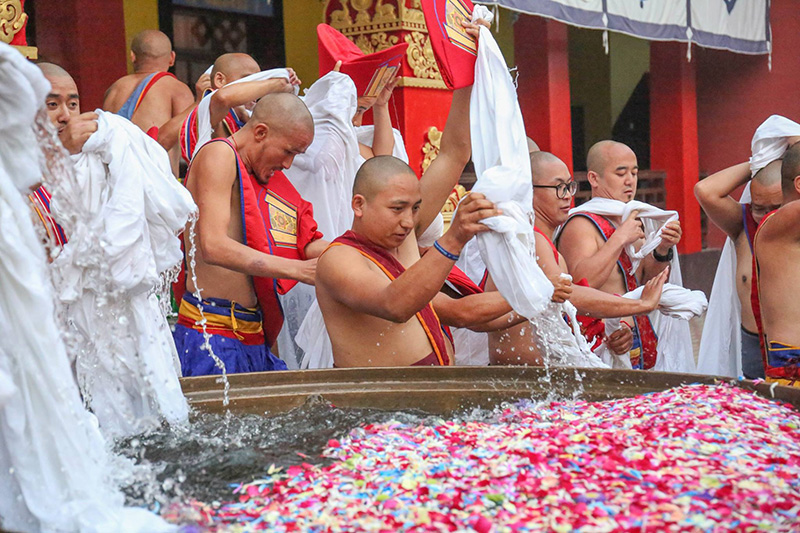
During the Kagyu three-year retreat, retreatants study the Six Yogas of Naropa, the first of which is the practice of tummo. This practice, which is associated particularly with Milarepa, involves generating heat using the body’s inner fire. Proof of success would be demonstrated at the end of the retreat when retreatants had to wear a wet, white cotton cloth, which they would dry with their body heat—not an easy feat in the climate of Tibet.

This year, prior to the ceremony, retreatants practised the Six Yogas of Naropa each evening from 13th – 19th January in the main shrine room at Tergar Monastery. As these are secret practices, their privacy was ensured by drawn curtains at all windows and locked doors.

On the final evening, they practised all night until they emerged into the early morning light on the 20th. In previous years the weather for this ceremony has been quite balmy, but this year, being January, it was challenging at a mere 9 degrees Centigrade.

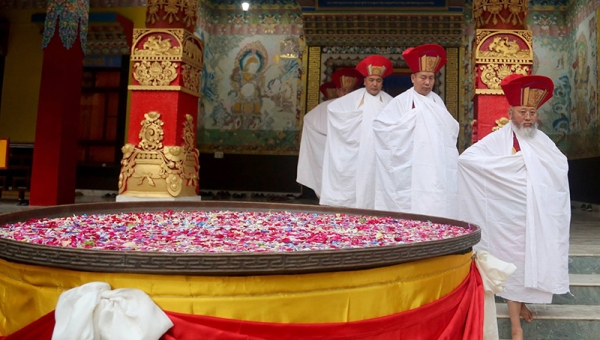
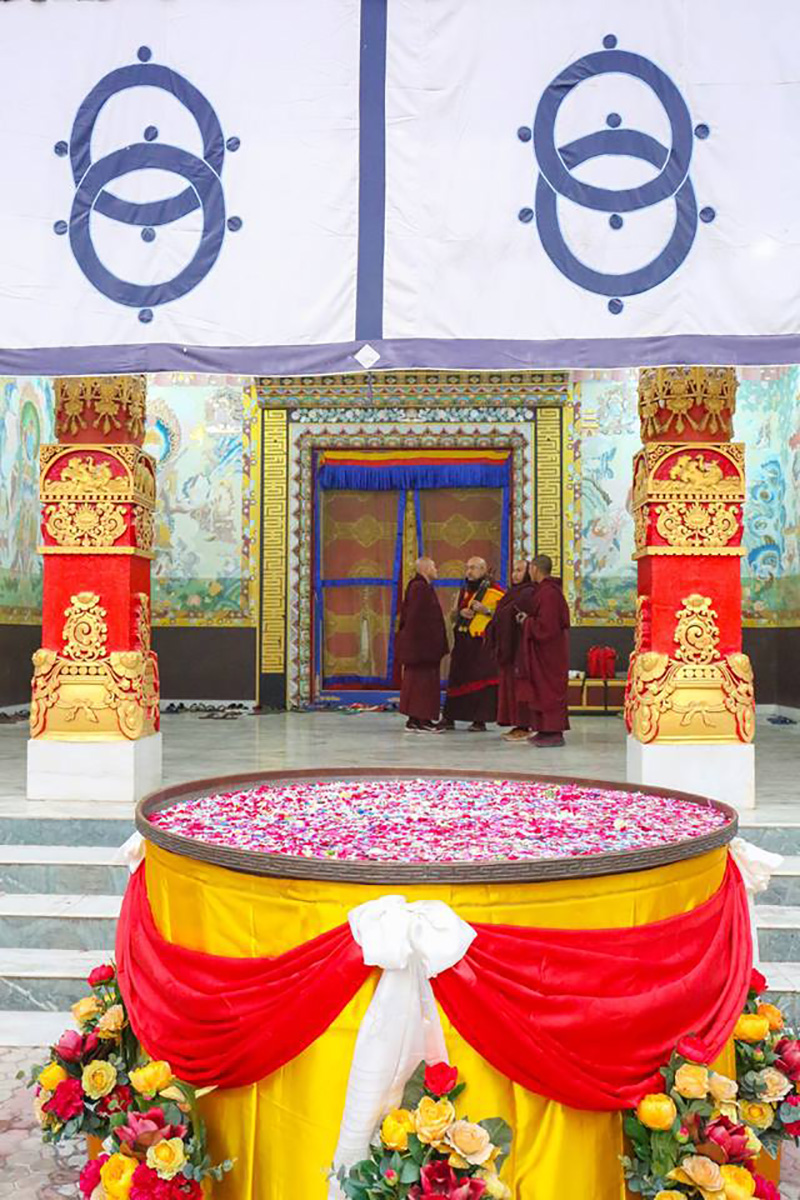
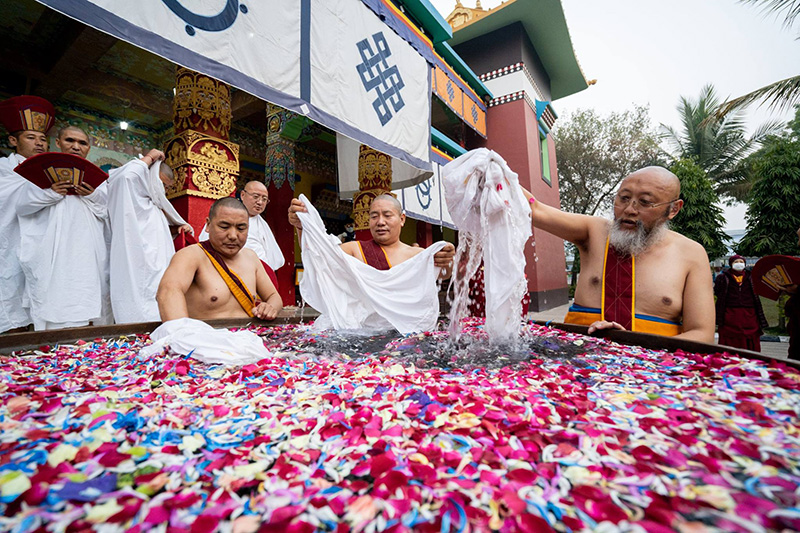
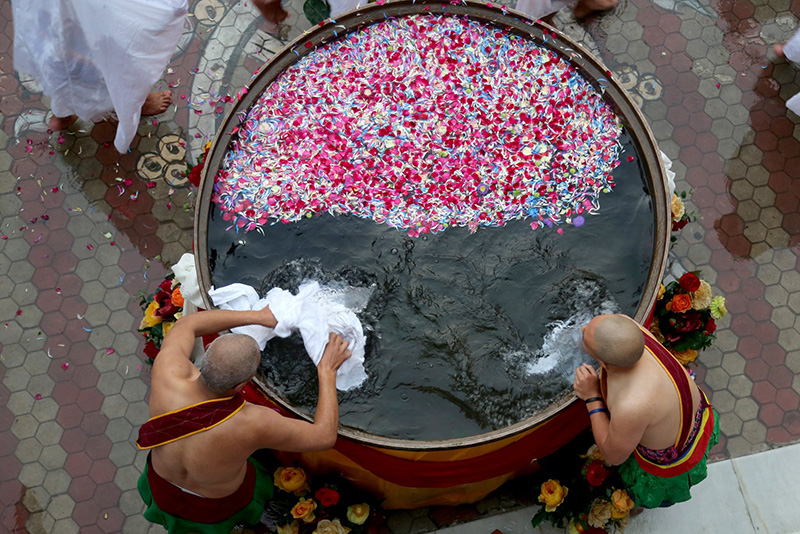
1. A huge cauldron of water covered in flower petals stands outside the main shrine room.


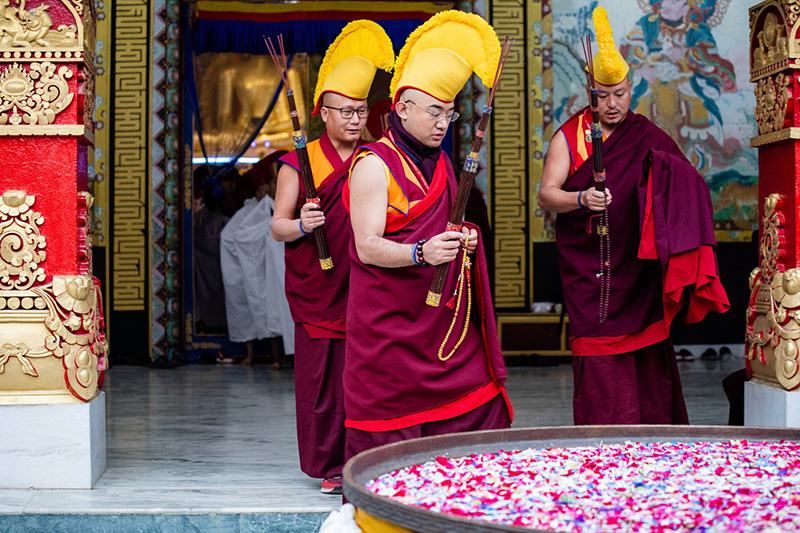
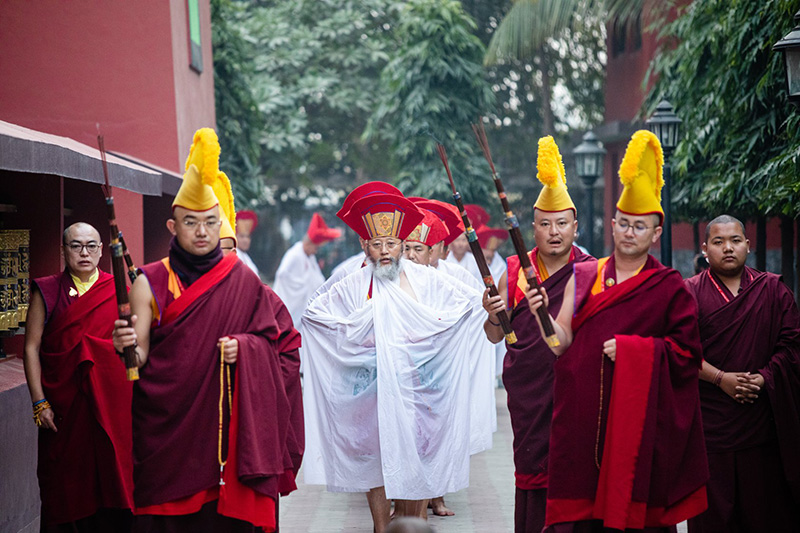
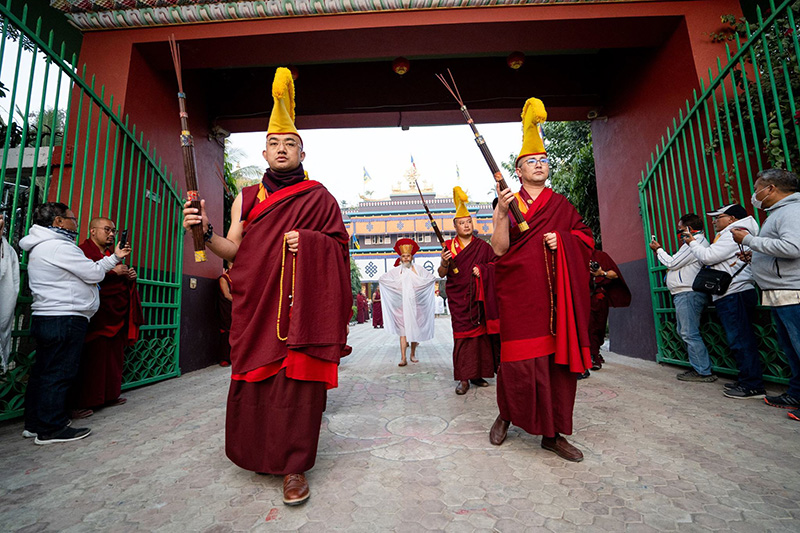
2. The retreatants emerge from the shrine room led by 3 incense bearers.


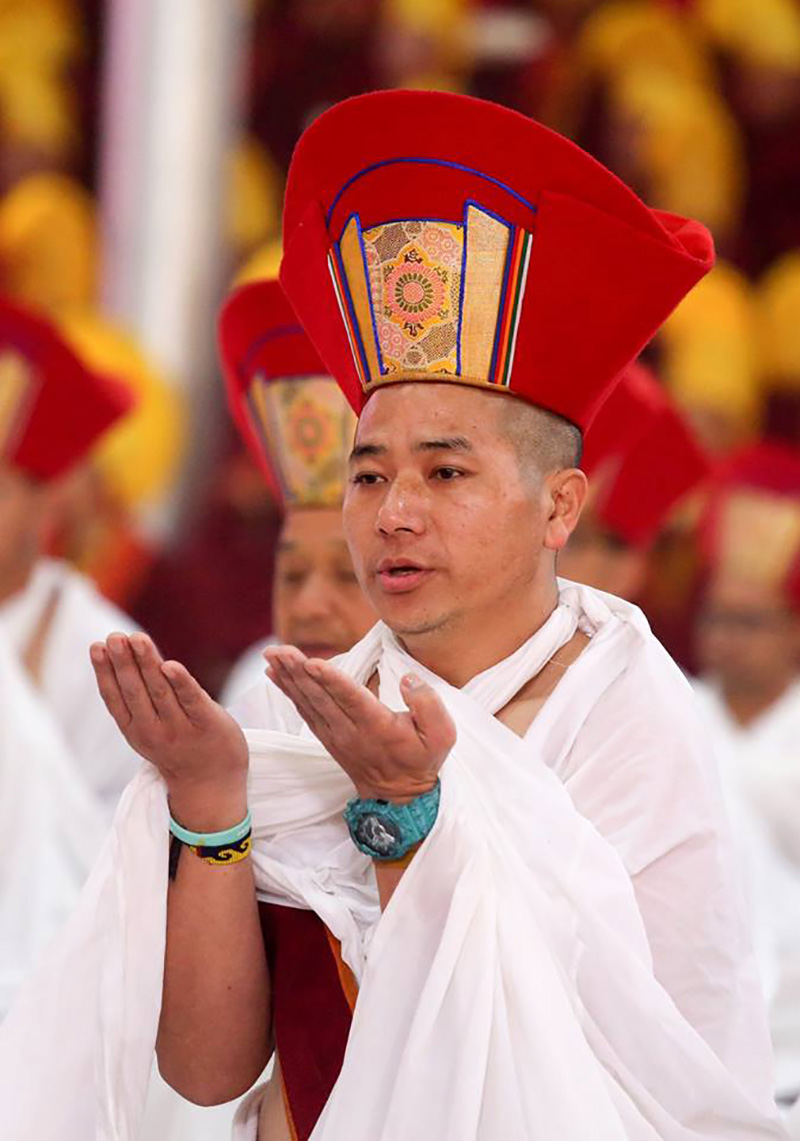
3. They are barefoot and wear the white cloth and Kagyu red ceremonial hat.


4. Stripping off the cloths, they dip them in the water until they are soaking wet.


6. Under the cloth they wear a yogi’s belt and short skirt, above their shorts.


7. The procession begins with a circumambulation of Tergar Temple, led by the Drupon Lama (retreat master) of Rumtek Monastery and the Head Khenpo of Rumtek Shedra.


8. They walk with their hands on their hips, arms clear of the body.


9. Through Tergar main gate onto the road.


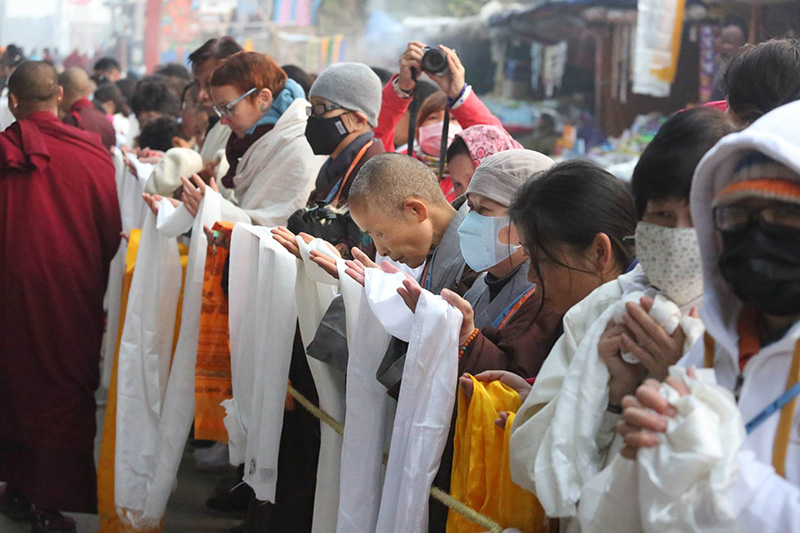
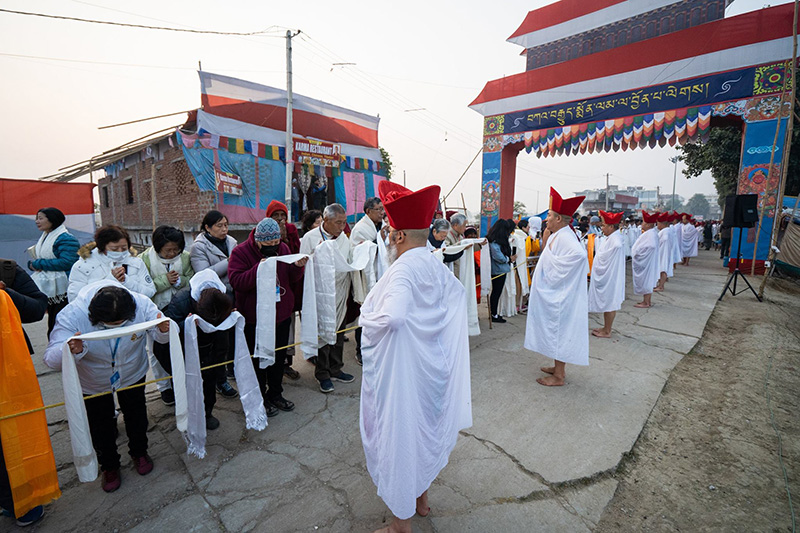
10. Where monastics and laypeople are waiting to offer khatas and show their deep respect for the yogis’ achievements.


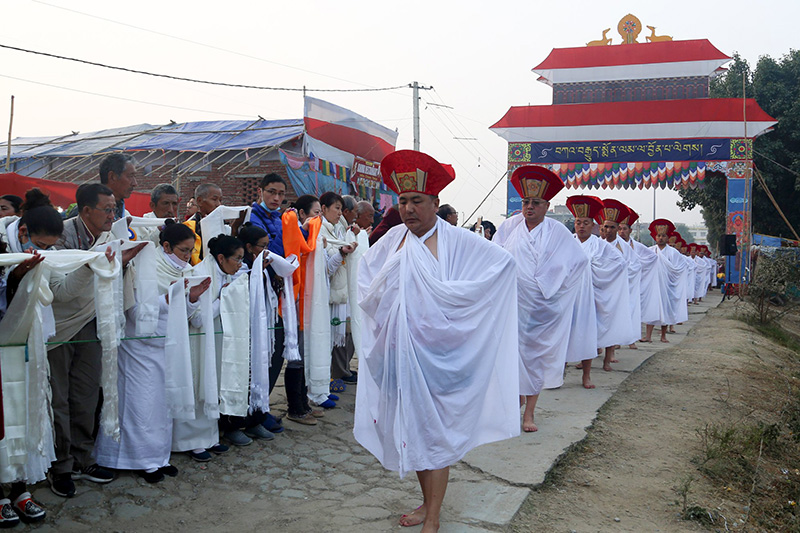
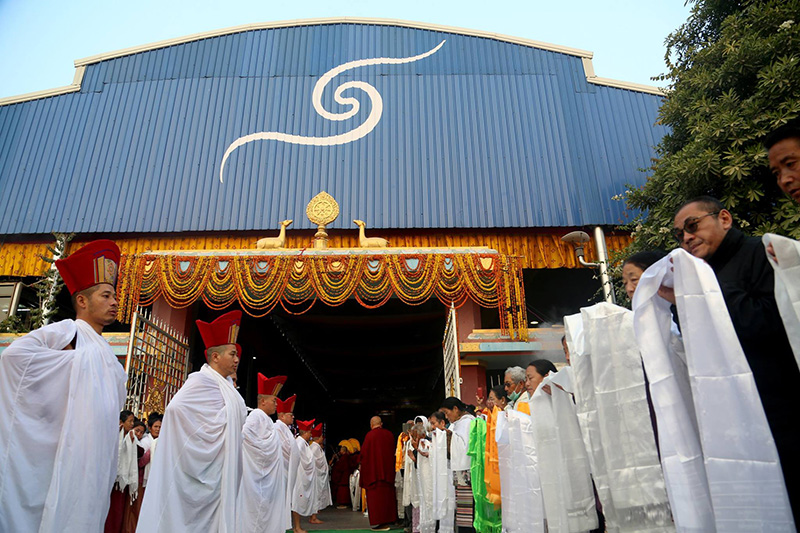
11. The procession makes its way under the Welcome gate, past the line of devotees.


12. Every so often, the monks turn to the side to face the devotees, in a public demonstration their accomplishment.


13. Until they reach the Pavillion where crowds of people await.


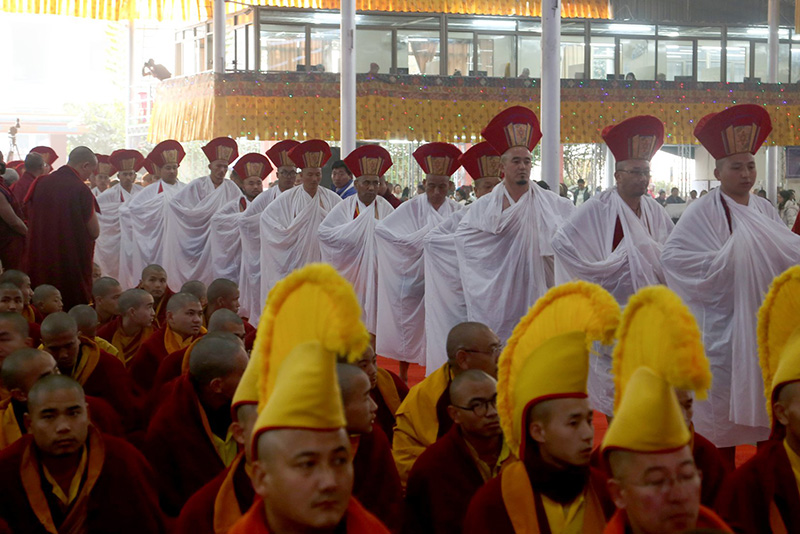
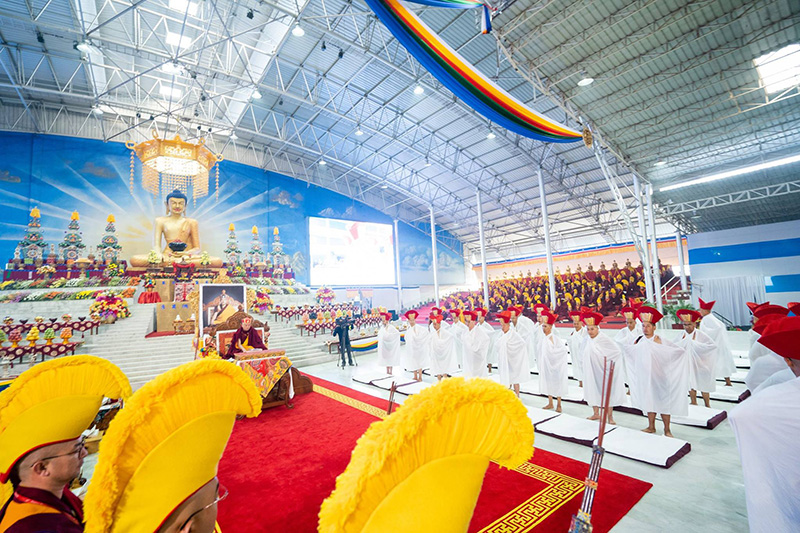
14. They process on the red carpet down the central aisle


15. And take the place of honour on the stage, to the left of Gyaltsab Rinpoche


16. Where they remain for the Twenty Branch Monlam prayers


17. in recognition and celebration of their achievement.